Charles Darwin
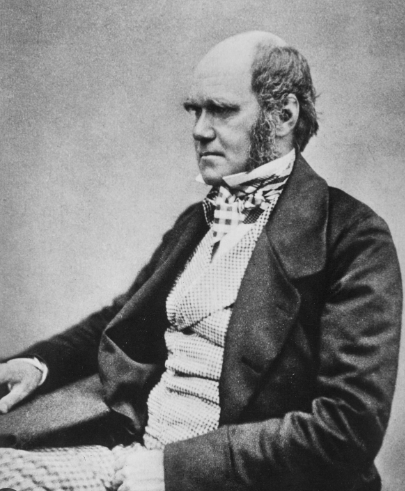
The talk by Ian Worley to the Probus Club of Basingstoke, titled “Charles Darwin,” revealed how a series of coincidences shaped the life of the world-famous naturalist. Born in 1809 in Shrewsbury to a wealthy family, Darwin’s early interest in plants was likely sparked by detailed diary-keeping in his family’s large kitchen garden.
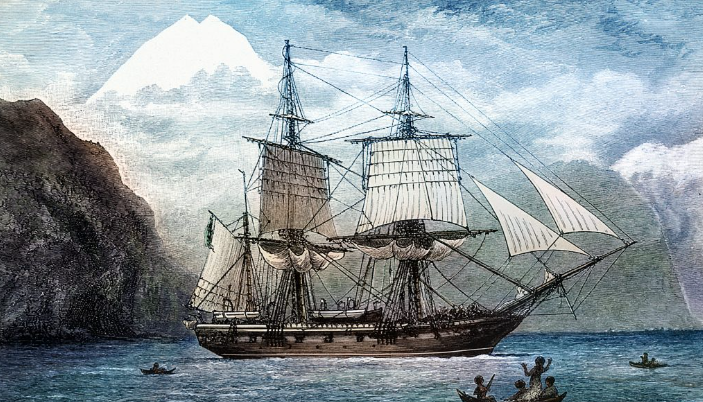
Despite poor academic performance at Shrewsbury School, Darwin was sent to Edinburgh University to study medicine but soon shifted to Cambridge to prepare for a clerical career. There, he excelled unexpectedly, ranking 10th out of 178 graduates in 1831. A friend at Cambridge informed him of an unpaid naturalist position on the HMS Beagle’s surveying expedition. Supported by his family’s allowance and free of responsibilities, Darwin seized the opportunity.
 |
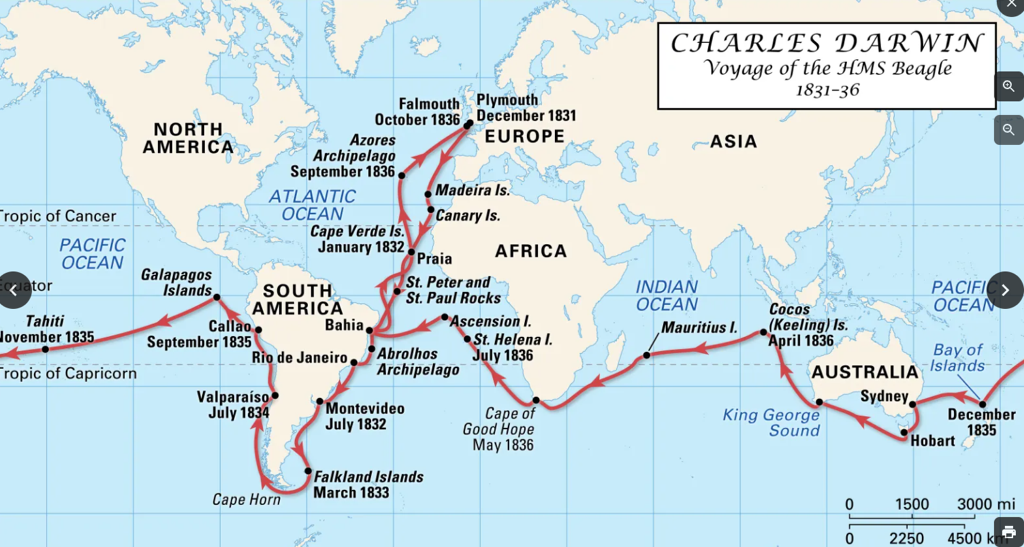 |
The five-year voyage, beginning in 1831, took Darwin around the southern hemisphere. He made significant discoveries, including seashells on Cape Verde’s escarpments, ancient bones in South America, and unique species like the Galapagos finches and giant tortoises. These findings challenged prevailing beliefs about the earth’s creation.
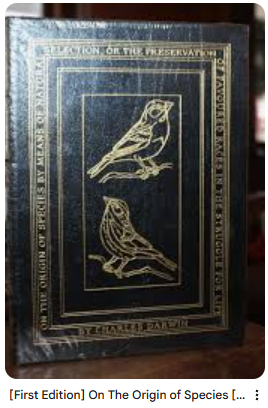 After returning to England, Darwin married his cousin Emma Wedgwood and published several works on botany and zoology. His anonymously published 1844 book, which hinted at evolutionary theory, was poorly received. It wasn’t until 1859, after years of persuasion, that Darwin published “On the Origin of Species,” which sold out its first 1,250 copies immediately and sparked widespread scientific and public debate.
Darwin’s journey from academic failure to scientific pioneer highlights how chance and perseverance can shape history. He was honoured with burial in Westminster Abbey in 1882, cementing his legacy as one of the greatest scientists of all time.
 If you are considering joining see www.probusbasingstoke.club for more information or phone the secretary Stephen Thair on 01256 352909 for an informal chat.
Previous Article : Local Hero