
What’s all the Buzz about in December?
Whilst you may might think there’s not much to say about bees in December, this is a critical time for the the beehive colonies and especially the beekeepers who have to ensure their apiary colonies remain viable through the winter months as honey bees have to deal with disease and pests, as well as cold and fluctuating winter temperatures. They need to be fit and strong to survive the cold damp weather with sufficient honey stores.
Winter Weather
If it’s particularly cold and damp, it is important that beekeepers made sure there is sufficient honey stores in the hives. How can you do that if the hive can’t be open opened up? Beekeepers employ a technique called ‘hefting’ where they do a rule-of-thumb weight test by gently tipping one of the hive sides. If the hive feels light after the heft test, then the beekeeper can add fondant to provide an immediate source of energy at the top of the beehive without disturbing the bees.
Honey Robbers
Opportunists can be a problem e.g. mice and beetles would be very happy to find a warm place to overwinter and the ready honey food source!
Parasites & Disease
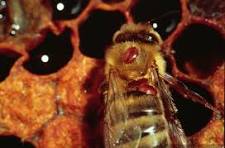 This is a big threat and concern for beekeepers, in particular the Varroa mite. The Varroa destructor is an external parasite that feeds on both adult bees and bee larvae, particularly male bee larvae [drones], by sucking on the fat bodies, weakening their immune systems and transmitting lethal viruses.
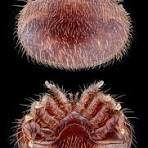 Mites often invade colonies in the summer, leading to high mite populations in autumn which can cause a crisis as the drone cycle ends; the worker larvae are now the mite target. This can lead to a colony population crash and the hive often doesn’t survive the winter, or faces a slow death in Spring.
Beekeepers have had a hard learning curve over the last 20 years to develop chemical, mechanical and genetic methods to monitor, manage, and prevent varroa damage to their bee colonies; with varying degrees of success. But remember bees have learned how to adapt, survive and grow over millions of years. Already beekeepers have observed how certain bee hive colonies have learnt how to detect varroa mites in a larval cell, uncap the cell, and then remove the mite and infected larvae.
Merry Christmas
 ‘Barbie & Beekeeper Ken’ wish you all a wonderful Christmas holiday, with honey, mead and lots of “Bee Buzz”! And what could be a better way to sign-off 2026 than with an image of the Charles Butler window at our local Wootton St Lawrence Church.
Barbara and Kenneth Robson on behalf CB400 Foundation
https://www.charlesbutler400foundation.org.uk/
Related articles : What’s all the Buzz about in November?